Es mostren els missatges amb l'etiqueta de comentaris Naudot J.C.. Mostrar tots els missatges

divendres, 3 de febrer del 2023

NAUDOT, Jacques-Christophe (1690-1762) - Concerto pour flûte-traversière

Follower of Valentin de Boulogne - Musicians and drinkers in an interior


Jacques-Christophe Naudot (1690-1762) - Concerto (I, en ré majeur) pour flûte-traversière, XIe Oeuvre (1735)
Performers: Neil McLaren (flute); Cambridge Baroque Camerata

---


French composer, flautist and teacher. He is sometimes erroneously referred to as Jean-Jacques. First heard of in 1719, when he was identified as a ‘master of music’ in a marriage document, Naudot published his first compositions in 1726. According to Quantz’s autobiography, Naudot was among the flautists then active in Paris. He was described by Walther (1732) as a ‘flourishing’ French flautist, and in 1739 was one of three flautists (with Lucas and Michel Blavet) whose ‘rare talent’ for the flute caused the poet Denesle to dedicate his poem Syrinx, ou L’origine de la flûte to them. Although it seems clear that Naudot was well known in Paris as a player, it is not known where he played; perhaps it was mainly in private salons, for the dedications to many of his works show that he had a number of aristocratic and bourgeois pupils and patrons. He may have taught the hurdy-gurdy and musette as well as the flute. Naudot was a freemason, and on 7 May 1737 was elected ‘superintendent of music’ for the Coustos-Villeroy lodge; in the same year he brought out the earliest collection of masonic songs to appear in France. Between 1726 and 1742 he published a long line of compositions, principally for the flute; thereafter they appeared less regularly, and after 1752 he published no more. When he died in 1762, an official document described him as a ‘master of flute and of music’. Among Naudot’s compositions, of special importance are the flute concertos of op.11, probably published between 1735 and 1737, which were the second printed set of flute concertos to appear in all Europe (preceded only by Vivaldi’s VI Concerti a flauto traverso, op.10). In these concertos Naudot showed himself to be a master of the Italian concerto and of a technically advanced flute style full of rapid scalic runs and broken-chord figuration.

Naudot’s early solo sonatas for flute and continuo, generally in four movements, already showed a leaning towards this style. By op.9 he had developed a new type of moderate-tempo third movement, called ‘Aria’, which was adopted by his contemporaries Boismortier and Blavet. In his later flute works Naudot occasionally approached the galant style in his slow movements, and his fast movements became more clearly phrased, concise and lightly flowing. Most of his duet and trio sonatas are lighter in vein than the solo works, except for the last trios (op.15), three-movement works which contain elements of the Italian symphonic style (just beginning to be heard in Paris) as well as skilfully worked out fugues. Apart from his flute works, Naudot produced a set of difficult sonatas for hurdy-gurdy and continuo (op.14) of which three exploit double stops more thoroughly than any other composer’s works for the instrument, a set of concertos designed principally for a solo hurdy-gurdy or musette (op.17), dedicated to the hurdy-gurdy virtuoso Danguy l’aîné, and a number of lightweight pieces for hurdy-gurdies or musettes. He also published two books of simple pieces for two hunting horns or trumpets and, in his collection of masonic songs, two marches for hunting horns, flutes, oboes and continuo and his only known vocal work, a ‘Duo pour les Francs-maçons’. Though Naudot wrote much music that was frivolous, his best works were important in contributing to the greater virtuosity the flute was gaining in French music in the 1730s and in helping to strengthen the role of the Italian style and of the solo concerto in French woodwind literature. They also comprise some of the most rewarding pieces produced by the French flute school. His works were reprinted many times and must have been well liked by the amateur players of his day.

dimarts, 25 de novembre del 2014

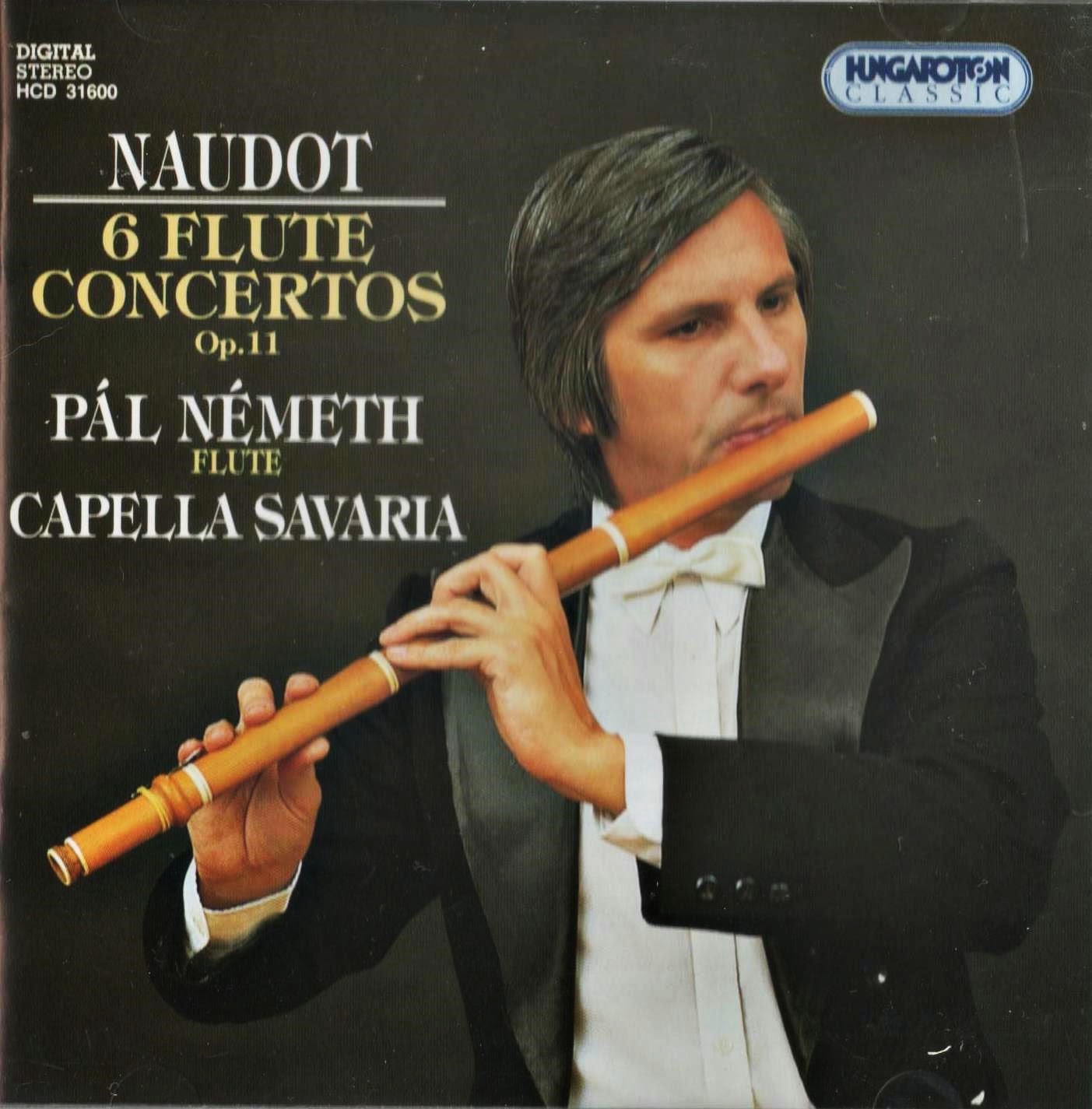
NAUDOT, Jacques-Christophe (1690-1762) - Six Flute Concertos, Op. 11

Louis-Gabriel Blanchet - Presumed portrait of Edme Bouchardon (c.1728-1732)
Obra de Louis-Gabriel Blanchet (1701-1772), pintor francès (1)


- Recordatori de Jacques-Christophe Naudot -
En el dia de la commemoració del seu 242è aniversari de decés


Parlem de Pintura...

Louis-Gabriel Blanchet (Paris, 1705 - Rome, 1772) va ser un pintor francès, actiu a Roma. Va guanyar el segon lloc en el concurs del Prix de Roma el 1727 i, posteriorment, es va establir a Roma, on va gaudir del patrocini de Nicolas Vleughels, director de l'Acadèmia de França, i del duc de Saint-Aignan (1684-1776), que en aquest temps era ambaixador de França a la Santa Seu. El 1752, Blanchet va pintar La visió de Constantí (Louvre), una còpia del fresc de Giulio Romano a la Sala di Costantino al Vaticà. Tot i aquest extens treball, el seu gènere va ser el retrat. El seu retrat de Tolozan de Montfort (1756, Musée des Beaux-Arts) és un bon exemple del seu estil elegant, bastant nerviós i del seu ús distintiu del color. En el mateix any, Blanchet va executar un retrat del pintor contemporani Johann Mandelberg (1730-1786, Kongelige Danske Kunstakademi). El seu treball com a pintor de retrats s'ha comparat amb el del seu contemporani italià Pompeo Girolamo Batoni. Va morir a Roma el 1772.

Font: En català: No disponible En castellano: No disponible In english: Louis-Gabriel Blanchet (1701-1772) - Altres: Louis-Gabriel Blanchet (1701-1772)


Parlem de Música...

Jacques-Christophe Naudot (c.1690 - Paris, 26 de novembre de 1762) va ser un flautista, compositor i professor francès. Identificat erròniament com a Jean-Jacques, la primera referència del seu nom apareix en un document de matrimoni de 1719. A partir del 1726 va començar a publicar música, principalment composicions per a flauta. Segons paraules de Quantz, Naudot va ser un dels flautistes més actius de París tot i que es desconeix a on i sota les ordres de qui va interpretar la flauta. Es creu que probablement va tocar en ambients privats i aristocràtics. Les dedicacions de les seves partitures són el testimoni de la col·laboració amb l'alta noblesa. Va ser també un reputat professor de flauta, viola i possiblement musette, amb nombrosos alumnes. Entre els anys 1726 i 1742 va publicar el gruix de la seva obra, durant la dècada del 1742-1752 va ser més irregular i a partir de 1752 va tornar a publicar amb més regularitat. Va morir a París el novembre de 1762.

OBRA:

Instrumental:

published in Paris:
op.
1 [6] Sonates, fl, bc (1726, 2nd edn as Oeuvre contenant 6 sonates, n.d.)
2 Sonates, 2 fl, bc (1726)
3 Sonates, 2 fl (1727)
4 6 sonates, fl, bc (1728)
5 6 sonates, 2 fl (1728)
6 6 Sonates, 2 fl (c1728–30)
7 6 sonates et un caprice en trio, 2 fl/vn/ob, bc (c1730), 3 also for musettes/hurdy-gurdies/recs
8 6 fêtes rustiques, musette/hurdy-gurdy, fl/ob/vn, bc (c1732)
9 6 sonates, fl, bc (c1733), no.5 also for musette
Livre contenant diverses pieces, 2 hn/tpt/fl/ob (1733)
10 6 babioles, 2 hurdy-gurdies/musettes/rec/fl/ob/vn (by 1737)
11 6 concerto en 7 parties, fl, 3 vn, va, bn, bc (c1735–7)
12 Diverses pièces, fl/other inst, bc (by 1737)
13 6 sonates, fl, bc (c1737–40)
14 6 sonates, hurdy-gurdy, bc (c1737–40), 3 also for 2 hurdy-gurdies, bc, or hurdy-gurdy, vn, bc
15 6 sonates en trio, 2 fl/other insts, bc (1740)
16 6 sonates, fl, bc (1740)
17 6 concerto en 4 parties, hurdy-gurdy/musette/fl/rec/ob, 2 vn, bc (c1740–42)
[18] Les plaisirs de Champigny ou suite en trio, musette/hurdy-gurdy, fl, vn (c1742–51)

25 menuets, 2 hn/tpt/fl/ob/vn/pardessus de viole (1748)
Divertissement champêtre, en trio, musette/hurdy-gurdy, fl, vn (1749)
Airs choisis et connus en duo avec leurs variations, 2 fl/other insts (1752)
Noëls choisis et connus, avec leurs variations, 2 fl/other insts (1752)
1 chanson, 2 marches in Naudot, ed., Chansons notées de la très vénérable confrérie des maçons-libres (1737), various later edns; several other pieces in 18th-century anthologies

Font: En català: No disponible En castellano: No disponible In english: Jacques-Christophe Naudot (1690-1762) - Altres: Jacques-Christophe Naudot (1690-1762)


Parlem amb veu pròpia...

Jacques-Christophe Naudot va ser un flautista vinculat als ambients privats de París on va fer fortuna com a intèrpret, professor i compositor. Menys conegut en aquest darrer aspecte de la seva vida, el seu repertori s'estructura en 18 opus, i altres obres no catalogades, la majoria d'elles per a flauta, comprensible tenint en compte la seva predilecció per aquest instrument. Si bé el seu cognom malviu en l'oblit, algunes de les seves partitures resulten especialment atractives. D'aquestes, les més importants van ser els seus Concerts Opus 11 per a flauta i orquestra. Publicats a París en una data compresa entre el 1735 i el 1737, són concerts on el model, clarament, va ser l'italià. Recordem que l'estela de Vivaldi va creuar tot el cel d'Europa i pel que sembla Naudot en va prendre bona nota ja que espiritualment els seus concerts són un reflex francès de la música del venecià. Tècnicament avançats, ens demostren la sòlida carrera compositiva d'un Naudot de qui no tenim cap referència formativa en aquest sentit. De tres moviments, la flauta es fa acompanyar de 3 violins, una viola, un fagot i baix continuo en uns concerts tonalment festius, expressius, de textura fàcil i inevitablement agradable i on els sis concerts segueixen un model idèntic pel que fa a la seva arquitectura formal. L'evidència ens obliga a reconèixer la descomunal importància d'un Vivaldi a qui molts melòmans sovint minimitzem per la permanent omnipresència arreu. Tanmateix, si alcem la mirada i observem el cel, amb sort, encara intuirem la seva estela, la mateixa que un bon dia va hipnotitzar màgicament a Jacques-Christophe Naudot!

Gaudiu i compartiu! 


Informació addicional...

Naudot: 6 Flute Concertos, Op. 11

Tant si us ha agradat, com si no, opineu, és lliure i fàcil!